Focus On Animal Nutrition And Health
Focus On Animal Nutrition And Health

In the spring of 2026, the planting season is about to begin. Many farming friends are asking: With such high feed costs and fluctuating fish prices, is there any way to make fish and shrimp grow faster, get less sick, and not waste feed?
The answer is affirmative. The protagonist we are going to talk about today is not expensive antibiotics or mysterious "miracle drugs", but the most common one in our lives - yeast.
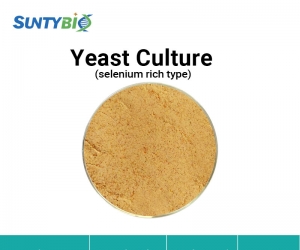
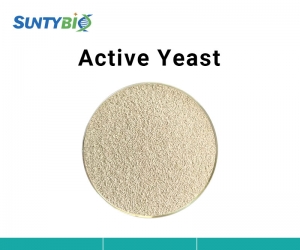
Many people's impression of yeast still stays on "steaming Mantou and making wine". But in the latest research on aquatic nutrition, active yeast and its derivatives are becoming the secret weapon to rewrite the benefits of aquaculture.
The Architect of Gut Health
The intestines of fish and shrimp are not only digestive organs, but also the largest immune organ. Good intestines, everything is fine.
Under traditional farming methods, high protein feed and stress response can easily lead to an imbalance in the gut microbiota of fish and shrimp. At this point, active yeast comes in handy.
Research has shown that yeast belongs to facultative anaerobic bacteria. After entering the intestine, it can quickly consume oxygen in the intestine and create an environment suitable for the growth of beneficial bacteria such as lactic acid bacteria. This "collaborative combat" model allows beneficial bacteria in the gut to quickly gain an advantage and suppress harmful bacteria such as Escherichia coli and Salmonella.
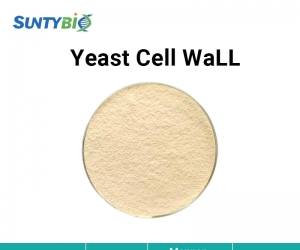
Even better, the mannan oligosaccharides in the yeast cell wall act like bait after bait. Its structure is extremely similar to the receptors of pathogenic bacteria on the intestinal wall. Harmful bacteria foolishly thought they had found a "home" and attached themselves to oligosaccharides, but as a result, they were excreted from the body with feces and had no chance of harming fish and shrimp.
In actual aquaculture, the effect is more intuitive. In the aquaculture experiment of tilapia, the addition of yeast probiotics to the feed significantly increased the length and density of microvilli in the fish's midgut (microvilli are small tentacles that absorb nutrients in the intestine, and the longer, the denser, and the larger the absorption area). The increase in intestinal absorption area means that eating the same feed can produce more meat.
The 'invisible armor' of immunity
Fish and shrimp, as lower vertebrates, have a much less sophisticated immune system than mammals. They mainly rely on non-specific immunity to resist the invasion of pathogens. It's like an army without precision guided weapons, but with strong border walls and patrols, it can still resist enemies outside the country's borders.
The beta glucan rich in yeast cell walls is the "reinforced concrete" that constructs this city wall.
It can activate macrophages in the bodies of fish and shrimp. Macrophages are the patrol soldiers of the immune system, and their ability to engulf pathogens is greatly enhanced when activated. A recent study published in the Journal of Fish Diseases shows that Nile tilapia's ability to resist Streptococcus iniae is directly proportional to the amount of yeast added after feeding on feed containing fermented yeast products, and the survival rate is significantly improved.
In the experiment of Chinese soft shelled turtles, after feeding with high activity dry yeast for 30 days, the phagocytic activity of white blood cells in the blood of young turtles was significantly higher than that of the control group, and the activity of lysozyme and complement in the serum was also significantly increased. This means that the immune system trained by yeast responds faster and has stronger killing power when facing pathogens.
The 'Detoxification Guardian' of the Liver
For farmers, the biggest fear is "hepatobiliary syndrome" in fish and shrimp. Especially carnivorous fish such as largemouth black bass have poor tolerance to starch in feed and are prone to liver problems.
Multi strain yeast derived prebiotics (probiotic substances extracted after yeast inactivation) have shown amazing potential in this regard. A study published in the journal Antioxidants in 2024 showed that adding yeast based epigenetic elements to the feed of largemouth black bass not only promoted growth, but more importantly, significantly reduced the activity of liver function indicators - alanine aminotransferase (ALT) and aspartate aminotransferase (AST).
What does this mean? The burden on the liver has been reduced, and its detoxification ability has become stronger.
The study also found that active substances in yeast can upregulate the expression of antioxidant related genes in the liver, such as nuclear factor erythroid 2-related factor 2 (nrf2), while reducing malondialdehyde (MDA) levels. MDA is a product of lipid peroxidation, and its content represents the degree of oxidative attack on liver cells. The decrease in MDA indicates that the integrity of the liver cell membrane has been better protected, and the stress resistance of fish and shrimp is stronger.
Visible economic accounts: growing fast, eating frugally, living long
Any technology that ultimately fails to demonstrate economic benefits is a castle in the air. How much money can yeast products save and earn for farmers?
1. Long speed improvement and shortened cycle: In carp farming, adding yeast compound microbial ecological agents increased weight gain by 23.01% -24.15% and specific growth rate by more than 13%. Adding yeast probiotics to the feed of rainbow trout resulted in a significant increase in final weight after 30 days. Growing fast means being able to go public early and seize the market opportunity.
2. Improved feed conversion rate, saving real money: feed costs account for over 70% of the total breeding costs. The most attractive aspect of yeast products is that they can significantly reduce feed efficiency. In the experiment of rainbow trout fry, the addition of yeast probiotics reduced the feed efficiency by 20%; In the carp experiment, the feed coefficient decreased by more than 18%. Simply put, feeding 5 pounds of feed used to grow 1 pound of fish, but now feeding 4 pounds of feed can grow 1 pound of fish. The feed saved here is pure profit.
3. Improved survival rate and reduced risk: In the experiment of Basha fish, although there was no significant difference in survival rate among the groups, the advantage of yeast added group was very obvious in the pathogen attack test. The survival rate of Nile tilapia against streptococcus is directly proportional to the amount of yeast added. For high-density aquaculture of shrimp and river crabs, adding highly active dry yeast to the feed effectively enhances the resistance of Chinese mitten crabs to diseases. The survival rate during the seedling stage is directly related to the final yield.
This way of use yields the best results
Even good things need to be usable. Based on existing research and frontline experience, there are several key points for the use of yeast products:
Usage: The most recommended way is to mix and feed as a feed additive. Although some people have tried to sprinkle aquatic yeast on water bodies, studies have shown that yeast is prone to death and autolysis in alkaline aquaculture water (pH 7.5-8.5), which not only reduces its effectiveness, but also releases nutrients that may promote the growth of harmful bacteria. Mix ingredients and take orally to allow yeast to reach the intestines, in order to maximize its effectiveness.
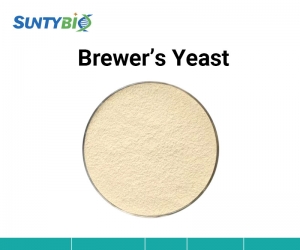
Dosage: There are differences in the dosage of different products and breeding varieties. The research on carp suggests that the optimal additive amount for yeast based microbial preparations is 2 ‰; The appropriate amount of yeast cell wall added to the feed of largemouth black bass is 5.40 g/kg; During the seedling stage of tilapia, 1 g/kg of autolytic beer yeast can significantly promote growth. It is recommended to consult a professional technician or start with a small dose when using it for the first time.
Caution: Do not feed continuously for a long time without interruption. There are studies indicating that long-term excessive feeding of live yeast and lactic acid bacteria may lead to excessive colonization of the gut microbiota, which in turn may plunder nutrients. Suggest intermittent feeding to give the intestine a space for self-regulation.
Conclusion
In today's pursuit of green, efficient, and sustainable aquaculture, yeast, a seemingly ordinary microorganism, is becoming a standard for more and more intensive aquaculture ponds due to its multiple functions of improving intestinal health, enhancing immunity, protecting the liver, and improving feed utilization.
It's not a medicine, but it can make fish and shrimp less sick; It is not a hormone, but it can make fish and shrimp grow faster and healthier.
In this era of low profit, whoever can achieve the ultimate conversion rate of feed, whoever can improve the survival rate, can stand undefeated in market fluctuations. And the small yeast may be the golden key to your successful breeding this year.
Have you ever used yeast products? How effective is it? Welcome to leave a comment in the comment section to share your farming experience!
Focus on feed additives global
supply for 13 years
Hebei Shuntian biotechnology Co.,Ltd.
Add:Machang Town,Qing County ,Cangzhou City ,Hebei,China
Tel: +86-317-2135910
E-mail:Erica@stbiol.com
© Copyright - 2018-2020 : All Rights Reserved.