Focus On Animal Nutrition And Health
Focus On Animal Nutrition And Health

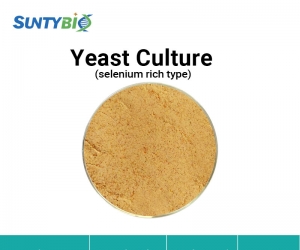
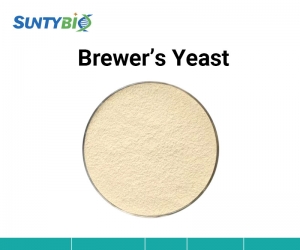
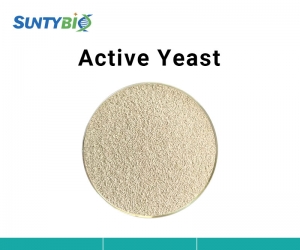
When it comes to piglet farming, the most painful thing for farmers is undoubtedly weaning. Diarrhea, weight loss, and growth arrest are like obstacles that directly affect the efficiency of the entire pig farm. In the past, many people used to add some "medicine" to feed to prevent it, but now the industry trend has changed, and food safety is being closely monitored. Finding safe and effective alternative solutions has become a common goal for everyone. In recent years, a feed additive called "active yeast" has quietly been used in many pig farms and has been called the "intestinal guardian" of piglets by old farmers.
Little yeast, why can it care about the things in the piglet's belly?
Active yeast, in other words, is a living beneficial microorganism. It is not used for making noodles. When it enters the underdeveloped intestines of piglets, it can play several key roles:
Firstly, it has the ability to 'occupy space and run away'. There is only so much space and nutrition in the intestines of piglets. Active yeast colonizes first, which is equivalent to occupying the territory first, leaving harmful bacteria such as E. coli with nowhere to live and nothing to eat, and naturally unable to reproduce.
Secondly, it is a 'nutritional helper'. Yeast itself is rich in protein and vitamins, and can also produce some digestive enzymes to help piglets better break down starch and protein in their feed, which increases the conversion rate of feed and allows them to eat more meat.
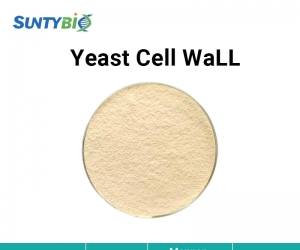
More importantly, it can 'reinforce the city wall'. The special components in the yeast cell wall, such as oligosaccharides, are like coating the intestinal mucosa of piglets with a layer of "protective paint", making the intestinal wall tighter and blocking toxins and bacteria from entering the bloodstream, reducing the chance of them invading the bloodstream and causing systemic infections. Once the intestines stabilize, the piglet's resistance naturally increases.
Real feedback in pig farms: visible changes after use
In many practical pig farms, farmers have summarized several tangible benefits:
There is significantly less diarrhea. This is the most intuitive feeling. Especially in the first two weeks after weaning, the feces form quickly and the pens are dry and easy to maintain, which not only saves medication costs but also manpower. A farm in Hebei province with 300 sows reported that after continuous addition, the incidence of diarrhea in weaned piglets decreased by about 40%.
The food intake is increasing rapidly. After weaning, there will be no weight loss and a smooth transition to nourishing feed. Piglets have a good appetite, are lively and eager to eat, and grow evenly. A farmer in Shandong calculated that using batches of active yeast resulted in an average daily weight gain increase of 30-50 grams, reaching the conversion standard several days ahead of schedule.
The overall uniformity is high. The proportion of weak and stiff pigs has decreased, and a litter of pigs has grown neatly, making management more convenient and ensuring the benefits of later fattening.
Dealing with stress more calmly. At critical junctures such as vaccination, material changes, and sudden weather changes that are prone to problems, pig herds have better stability and are less likely to explode.
Make good use of this' key ', the key lies in the details
Although things are good, it's not just a matter of throwing them away that everything will be fine. To achieve the desired effect, pay attention to one method:
One must choose the right product. The yeast products on the market are diverse, and the key depends on the number of live bacteria and stability. Be sure to choose packaging products from reputable manufacturers that are resistant to high temperatures and granulation, to ensure that what you eat into the pig's belly is truly "alive".
Secondly, we need to find the right timing. The most crucial stage is before and after weaning. It is recommended to start adding it from the late stage of breastfeeding and cover it until the end of the care period for the most solid effect. When encountering stress such as group switching and immunity, increasing the dosage in advance for a few days can be of great help.
Three must be reasonably matched. The combination of active yeast, acidifiers, and prebiotics (such as oligosaccharides) often has a synergistic effect of "1+1>2". But it is necessary to avoid mixing with antibiotics or disinfectants that have too strong bactericidal power, otherwise the beneficial bacteria that have been added for a long time will also be killed.
Fourth, we must persist in using it. It is not a quick acting medicine, but a conditioning agent, and persistence is the key. It is generally recommended to add 0.1% to 0.2% of the feed for long-term use in order to help piglets establish a stable and healthy intestinal environment.
What intestinal problems have you encountered in piglet farming? Or do you have any insights on the use of active yeast? Welcome to discuss and exchange ideas together in the comment section.
Focus on feed additives global
supply for 13 years
Hebei Shuntian biotechnology Co.,Ltd.
Add:Machang Town,Qing County ,Cangzhou City ,Hebei,China
Tel: +86-317-2135910
E-mail:Erica@stbiol.com
© Copyright - 2018-2020 : All Rights Reserved.