Focus On Animal Nutrition And Health
Focus On Animal Nutrition And Health

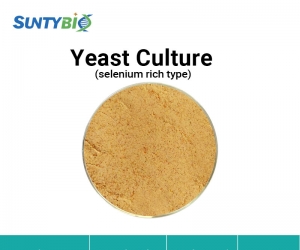
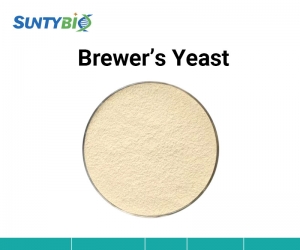
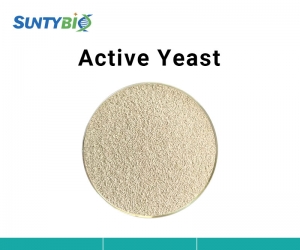
First, a crucial clarification: Yeast Culture is not the same as ordinary nutritional yeast or brewer's yeast.
Think of it this way: ordinary yeast is a single ingredient. Yeast Culture, however, is a complete fermented product. It contains the live yeast cells, their metabolic byproducts (like enzymes and vitamins), and the fermented grain or plant medium they grew on. This synergistic combination is what unlocks its unique nutritional power.
A healthy gut is the foundation of overall health. Yeast culture supports digestion by:
Producing Natural Enzymes: Helps break down food, improving the absorption of proteins and carbohydrates.
Nourishing Good Bacteria: Compounds like mannan-oligosaccharides (MOS) act as prebiotics, fueling beneficial gut bacteria and crowding out harmful ones.
Promoting Firm Stools: Particularly helpful for pets with sensitive stomachs or occasional loose stools.
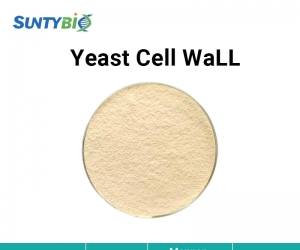
The cell walls of yeast contain Beta-Glucans, powerful compounds known to:
Activate Immune Cells: Stimulate macrophages and natural killer cells, the body's first line of defense.
Enhance Vaccine Response: Help the body build a more robust and efficient immune response.
Provide Critical Support: Especially valuable for puppies/kittens, senior pets, or animals under stress.
The natural flavors and aroma compounds in yeast culture make it a highly effective and gentle attractant.
Encourages Appetite: The savory, umami-rich taste is naturally appealing to cats and dogs.
Useful in Transition: Helps pets switch to new, healthier foods or stimulates appetite during recovery.
Rich in B-vitamins, amino acids, and minerals like zinc, yeast culture contributes to:
A Shinier Coat: Supports healthy skin and hair follicles for reduced shedding and more lustrous fur.
Healthier Skin: Can help manage mild skin irritations and reduce dry, flaky skin.
Faster Healing: Nutrients in yeast support skin regeneration and repair.
Research backs up these benefits:
A Canine Study found that adding yeast culture improved nutrient digestibility and resulted in better fecal quality.
Feline Research indicated a significant reduction in litter box odor (ammonia) when cats were fed diets containing yeast culture.
Overall Observations: Pets with yeast culture in their diet often show improved vitality and resilience.
Read the Label: Look for specific terms like "Yeast Culture," "Dried Yeast Culture," or "Saccharomyces cerevisiae fermentation product." Generic "yeast" is not the same.
Check the Position: It should appear within the main body of ingredients, not just as a minor additive at the end.
Start Slowly: When introducing any new food, transition gradually over 7-10 days to allow your pet's system to adjust.
Observe Your Pet: Monitor their energy, stool quality, coat condition, and overall enjoyment of the food.
While promising, yeast culture is not a magic bullet.
Part of a Whole: It is a valuable component of a balanced and complete diet, not a substitute for one.
Quality Varies: The source and production process matter. Opt for brands with transparent sourcing.
Consult Your Vet: Always discuss significant dietary changes with your veterinarian, especially for pets with specific health conditions.
Yeast Culture represents an exciting advancement in pet nutrition, moving beyond basic ingredients to include functional, fermented superfoods. It’s a natural way to support your pet’s digestion, immunity, and overall well-being from the inside out.
By understanding labels and choosing high-quality nutrition, you’re taking a powerful step toward a longer, healthier, and happier life for your beloved companion.
This article is based on current veterinary nutritional science and is for informational purposes only. It is not a substitute for professional veterinary advice. Always consult your veterinarian for guidance regarding your pet's specific health and dietary needs.
Focus on feed additives global
supply for 13 years
Hebei Shuntian biotechnology Co.,Ltd.
Add:Machang Town,Qing County ,Cangzhou City ,Hebei,China
Tel: +86-317-2135910
E-mail:Erica@stbiol.com
© Copyright - 2018-2020 : All Rights Reserved.