Focus On Animal Nutrition And Health
Focus On Animal Nutrition And Health

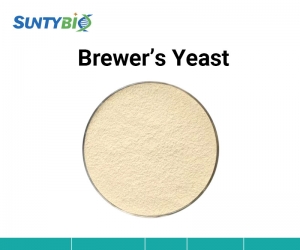
Shrimp farming is a crucial pillar of the global aquaculture industry. However, frequent disease outbreaks, antibiotic residue issues, and environmental impacts under high-density farming models continuously challenge the sector's sustainable development. Consequently, developing functional feed additives that enhance shrimp's intrinsic health and reduce reliance on medication is paramount. Brewer's yeast, a single-celled microorganism with wide availability, rich in protein, vitamins, minerals, and various bioactive compounds, holds value far beyond traditional brewing. Recent research confirms that brewer's yeast and its extracts, processed via specific techniques (e.g., autolysis, hydrolysis), can systematically improve the physiological status of aquatic animals through "nutritional immunity." This article will delve into the specific application forms, mechanisms of action, and empirical effects of brewer's yeast in shrimp farming.
The application of brewer's yeast in shrimp feed is not merely simple nutritional supplementation but involves targeted solutions for specific issues based on different processing technologies. The main functional products include:
Yeast Hydrolysate: Produced via enzymatic hydrolysis, breaking down intracellular yeast proteins into more easily absorbed small peptides and free amino acids, while releasing nucleotides, B vitamins, and other substances. These components act as potent feeding attractants and rapid nutrient sources for intestinal cell growth.
Autolyzed Yeast/Yeast Extract: Utilizes the yeast's own enzyme systems for autolysis, yielding products rich in soluble nutrients and cell wall fragments. Studies show that autolyzed brewer's yeast can significantly improve intestinal villus structure and increase goblet cell count in fish, thereby enhancing the physical barrier function—a mechanism equally applicable to shrimp.
Yeast Cell Wall Polysaccharides: Primarily β-glucans and Mannan Oligosaccharides (MOS). They are potent activators of the shrimp's "innate immune system." β-glucans can activate the prophenoloxidase system within shrimp hemocytes, triggering a cascade of immune defense responses. MOS can competitively bind to pathogenic bacteria (e.g., Vibrio) in the gut, preventing their colonization through a "biological exclusion" mechanism.
Several rigorous farming experiments provide reliable data supporting the efficacy of brewer's yeast. The table below synthesizes key research findings:
| Study Subject | Yeast Product Form | Inclusion Rate | Key Experimental Findings | Data Source / Reference |
|---|---|---|---|---|
| Litopenaeus vannamei | Yeast Hydrolysate | 1% | Significantly Enhanced Growth Performance: Weight gain rate and specific growth rate were significantly higher than the control group; feed conversion ratio was lowest. Enhanced Immunity: Expression of immune-related genes in the intestine and hepatopancreas was significantly upregulated. Improved Stress Resistance: Highest cumulative survival rate under ammonia-nitrogen stress. |
|
| Litopenaeus vannamei | Brewer's Yeast | 1% | Trends consistent with the yeast hydrolysate group, significantly outperforming the control in promoting growth, enhancing immunity, and resisting ammonia stress, though slightly less effective than yeast hydrolysate. | |
| Litopenaeus vannamei | S. cerevisiae Fermented Feed | Feed ferment agent | Improved Health Status: Shrimp fed fermented feed had significantly lower Vibrio density in the hepatopancreas on days 14 and 21 compared to the control. Enhanced Immunity: Serum total protein, peroxidase, and phenoloxidase activities were significantly increased. Improved Water Quality: Helped reduce concentrations of ammonia and nitrite in water during later farming stages. |
|
| Litopenaeus vannamei | Brewer's Yeast Probiotic Strain (sourced from gut) | Added as probiotic | Enhanced Disease Resistance: When combined with Bacillus siamensis W31, significantly enhanced shrimp resistance to Vibrio infection and improved survival rate. | |
| Rainbow Trout | Brewer's Spent Yeast | 10%, 20% | Feasibility as Alternative Protein Source: The study verified the feasibility of brewer's spent yeast as an alternative protein source in aquafeed, with its digestibility determined. | |
| Atlantic Salmon | Autolyzed Brewer's Yeast | 2.5 g/kg | Optimized Gut Health: Significantly improved intestinal mucosal fold length, lamina propria width, and microvilli density; increased goblet cell count in intestine and skin. Modulated Microbiota & Immunity: Upregulated intestinal immune gene expression and significantly altered intestinal bacterial community structure. |
The aforementioned research clearly outlines the multifaceted benefits of brewer's yeast in shrimp farming. Its effects are not singular but work synergistically through the "nutrition-gut-immunity" axis:
Growth Promotion: Small peptides and nucleotides enhance feed utilization and protein anabolism.
Gut Health: Improves intestinal physical structure, provides substrates for beneficial bacteria, competitively inhibits pathogens, and builds a robust gut microecology.
Immune Activation: Compounds like β-glucans directly "train" and strengthen the shrimp's non-specific immune system, enabling a faster, more effective response to pathogenic challenges.
Environmental Adaptation: By improving the overall health of the animal, it indirectly enhances tolerance to poor water quality (e.g., high ammonia).
Practical Guide for Farmers:
Product Selection: For growth promotion and strong feed attraction, prioritize yeast hydrolysate. For long-term immune enhancement and gut health maintenance, yeast cell wall polysaccharides or autolyzed yeast are better choices. To improve overall feed utilization and water quality, consider yeast-fermented feed technology.
Application Strategy: Recommended inclusion rates typically range from 0.5% to 2.0%. Continuous or enhanced supplementation is advised during the post-larval stage, rapid growth phase, and prior to anticipated disease outbreak periods to establish a health foundation and meet challenges.
Sustainability Perspective: Utilizing brewer's spent yeast is a classic example of a circular economy, not only reducing feed costs but also providing a high-value application for brewing by-products, aligning with the sustainable development goals of the global aquaculture industry.
In summary, brewer's yeast and its refined products have evolved from a simple alternative protein source into a multifunctional strategic feed additive capable of precisely regulating shrimp health and improving farming efficiency. Its scientifically validated multifunctional roles—promoting growth, enhancing immunity, optimizing gut health, and resisting stress—provide a reliable pathway for the shrimp farming industry to reduce antibiotic dependence and achieve green, healthy aquaculture. As related research deepens and application technologies continue to optimize, brewer's yeast is poised to play an increasingly significant role in ensuring global aquatic food supply security and industrial sustainable development.
Note: This article synthesizes empirical studies published in international and domestic journals such as Fish & Shellfish Immunology and Animals, aiming to provide an industry review based on scientific evidence. Practical application should be adjusted according to specific farming species, stages, and product instructions.
Focus on feed additives global
supply for 13 years
Hebei Shuntian biotechnology Co.,Ltd.
Add:Machang Town,Qing County ,Cangzhou City ,Hebei,China
Tel: +86-317-2135910
E-mail:Erica@stbiol.com
© Copyright - 2018-2020 : All Rights Reserved.