Focus On Animal Nutrition And Health
Focus On Animal Nutrition And Health

Fish meal is too expensive, diseases are difficult to prevent, and meat quality is not up to standard - these three major pain points in the aquaculture industry are being quietly solved by a magical raw material derived from fermentation tanks.
As international fish meal prices continue to rise and China's dependence on protein raw material imports remains as high as 73%, aquaculture enterprises have to face the dual pressure of cost and quality. At the same time, after the full implementation of the "feed ban on antibiotic resistance" policy, the survival rate of young poultry has decreased and the feed to meat ratio has increased. Some companies have tried chemical drug substitution, but have fallen into the dilemma of drug resistance risk and drug residue.
In this aquaculture revolution, a functional raw material called "yeast hydrolysate" is moving from behind the scenes to the forefront. It not only has the potential to replace some fish meal, but also becomes an "invisible driving force" for improving the health and flavor of farmed animals with its unique bioactive ingredients.
1、 The 'dimensionality reduction blow' of proteins: not just substitution, but also upgrading
Traditionally, fish meal has been regarded as the "gold standard" for feed protein due to its balanced amino acid composition and high digestibility. However, the emergence of yeast hydrolysates is reshaping this understanding.
The yeast protein content is as high as 40% -60%, and the amino acid composition is highly close to the needs of animals, especially with abundant essential amino acids such as lysine and methionine, and a digestion rate of over 90%.
This means that in terms of nutritional value, yeast hydrolysate has already qualified to compete on the same stage as fish meal.
More noteworthy is that yeast hydrolysates are not just providers of proteins. Yeast cells treated with enzymatic hydrolysis or autolysis processes release a large amount of small molecule peptides (molecular weight<1000 Da), free amino acids, and nucleotides, which can be directly absorbed and utilized by animals, especially suitable for the underdeveloped digestive system of young animals.
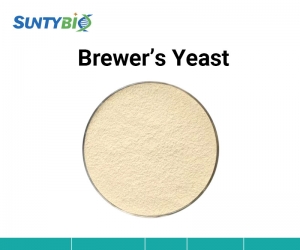
In broiler experiments, adding 0.5% yeast hydrolysate can increase daily weight gain by 13.8% and daily feed intake by 7%. Adding 8% beer yeast to the feed of South American white shrimp increased the weight gain rate by 12% and reduced the feed coefficient by 0.15. These data clearly indicate that yeast hydrolysate can not only "replace" fish meal, but in some scenarios can even "surpass" fish meal.
2、 The 'Guardian' of the Intestine: Building a Healthy Defense Line from the Inside Out
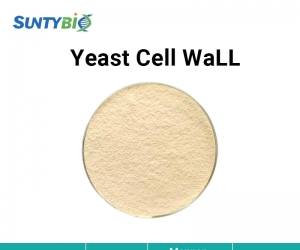
If fish meal is simply a "nutrient supplier", then yeast hydrolysate is more like an "all-around health steward". The core secret lies in the abundant functional components in the yeast cell wall - β - glucan and mannan oligosaccharides.
β - glucan can bind to immune cell receptors, activate macrophages and lymphocytes, and increase vaccine antibody potency. Research has shown that β - glucan in yeast cell walls can increase the serum lysozyme activity of carp by 30% and significantly reduce the infection rate of Aeromonas hydrophila.
And mannan oligosaccharides play the role of "intestinal scavengers". It can adsorb pathogenic bacteria (such as Salmonella and Escherichia coli), prevent their colonization in the intestine, and excrete them with feces, thereby reducing the incidence of diarrhea. At the same time, as a prebiotic, mannan oligosaccharides promote the proliferation of beneficial bacteria such as lactobacilli and optimize the structure of gut microbiota.
After adding 2.5% yeast hydrolysate to the low fish meal formula in California bass feed, the height of intestinal villi increased by 77.47 μ m compared to the control group. Intestinal villi are the main site for nutrient absorption, and an increase in villi height means an expansion of the absorption surface area, leading to an improvement in nutrient utilization efficiency.
For weaned piglets, intestinal health is particularly crucial. Research has shown that antibacterial yeast hydrolysates can improve the growth performance of weaned piglets and regulate the composition of fecal microbiota. This means that yeast hydrolysates can help young animals smoothly navigate through stress periods without relying on antibiotics.
3、 The booster of immunity: the way to break through in the era of immunity
Since the comprehensive "ban on antibiotic resistance" in feed in 2020, how to ensure animal health without using antibiotics has become the biggest challenge in the aquaculture industry. Yeast hydrolysate, with its natural immune regulatory function, is becoming an ideal alternative to antibiotics.
Yeast hydrolysates are rich in nucleotides and glutathione, which are involved in various physiological processes in animals. Nucleotides are essential substances for cell division and immune cell proliferation. During rapid growth or stress states, endogenous synthesized nucleotides are often in short supply. Exogenous supplementation can significantly enhance immune function.
A study conducted by Chung Hsing University in Taiwan revealed the molecular mechanism by which yeast hydrolysate regulates immunity: broiler chickens supplemented with yeast hydrolysate showed a significant decrease in the mRNA expression levels of inflammatory factors (TNF - α, IL-1 β, and IL-6) in the intestine, while the expression levels of tight junction genes (ZO-1 and Claudin-1) in the intestine were significantly increased.
This means that yeast hydrolysate can not only reduce intestinal inflammation, but also enhance intestinal barrier function, preventing pathogens and toxins from "leaking" into the body.
Adding 0.2% yeast extract to Atlantic salmon feed resulted in a 25% increase in antibody titers after vaccination. This indicates that yeast hydrolysate can also enhance the immune effect of vaccines, providing dual protection for disease prevention and control.
4、 The Magician of Flavor: From Eating Full to Eating Well
In the context of consumer upgrading, meat flavor has become a core element of market competition. Consumers not only demand "non resistant meat", but also pursue high-quality products with fresh and tender taste and rich flavor.
Yeast hydrolysates have unique advantages in this regard. The nucleotides produced during yeast metabolism, such as inosine IMP and guanosine GMP, are key flavor compounds in meat products. When combined with glutamic acid, they can significantly enhance the flavor intensity of meat.
Meanwhile, glutathione in yeast hydrolysate has antioxidant function, which can inhibit lipid oxidation, delay meat spoilage, and extend the shelf life of fresh products. This means that yeast hydrolysate can not only improve flavor, but also maintain meat freshness.
5、 Environmental Protection Practitioners: A New Choice for Green Aquaculture
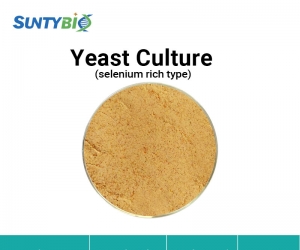
In addition to its nutritional and health benefits, yeast hydrolysates also have significant environmental advantages. Yeast production uses industrial and agricultural by-products such as molasses and beer waste yeast as raw materials, achieving deep utilization of resources.
In the breeding process, the high digestibility of yeast hydrolysate means that the unused nitrogen and phosphorus in the feed are reduced, and the impact of fecal emissions on the environment is reduced. Using yeast culture in a recirculating aquaculture system reduces ammonia nitrogen emissions by 35% and nitrite concentration by 50%.
From a broader perspective, replacing some fish meal with yeast hydrolysate can help alleviate overfishing pressure on wild fishery resources and is in line with the direction of sustainable development in aquaculture.
Conclusion: The "yeast era" of aquaculture is coming
From a 13.8% increase in daily weight gain for broiler chickens, to a 77.47 μ m increase in intestinal villi of California bass, from a 30% increase in lysozyme activity for carp, to a 12% improvement in weight gain for shrimp - these real data are reshaping the understanding of yeast hydrolysates in the aquaculture industry.
Fish meal, as the "king" of traditional protein sources, still holds a stable position, but yeast hydrolysate, with its dual advantages of nutrition and function, is becoming an indispensable component of feed formulations. It can not only alleviate the dependence on protein raw materials and reduce feed costs, but also create value in multiple dimensions such as antibiotic free farming, intestinal health, meat flavor, environmental protection and emission reduction.
The literature analysis and research of Fudan University indicate that the future development trend of yeast products in aquaculture will focus on water quality management, low-cost yeast fermentation technology, and the use of yeast products to improve the health level and survival rate of aquatic animals.
For aquaculture enterprises, embracing yeast hydrolysate may be a key step towards solving the current dilemma and moving towards high-quality development. In this industrial upgrade from "eating enough" to "eating well" and then to "eating healthily", yeast hydrolysate is destined to play an increasingly important role.
The future of aquaculture is not only hidden in fish schools in the ocean, but also in yeast cells in fermentation tanks.
Focus on feed additives global
supply for 13 years
Hebei Shuntian biotechnology Co.,Ltd.
Add:Machang Town,Qing County ,Cangzhou City ,Hebei,China
Tel: +86-317-2135910
E-mail:Erica@stbiol.com
© Copyright - 2018-2020 : All Rights Reserved.