Focus On Animal Nutrition And Health
Focus On Animal Nutrition And Health

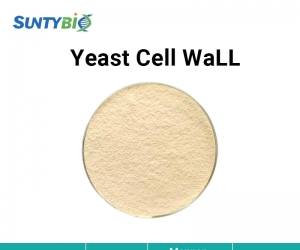
The core functional component of the yeast cell wall is β-Glucans, a potent non-specific immunomodulator. Its unique triple-helix structure is recognized by specific receptors on immune cells (e.e., macrophages) in the animal's gut.
This process is akin to conducting an efficient "military drill" for the animal's immune system: β-Glucans activate macrophages, boosting their ability to engulf and eliminate pathogens. Simultaneously, they stimulate the secretion of key cytokines, such as interferons and interleukins, comprehensively mobilizing and "training" the body's immune response. This immunostimulatory effect not only helps animals resist common bacterial and viral challenges but also acts as an "immune adjuvant" during vaccination, enhancing antibody production for more durable and effective protection.
The intestine is the primary site for nutrient absorption and the body's largest immune organ. Here, another key component of the yeast cell wall—Mannanoligosaccharides (MOS)—plays the role of an intelligent "guardian."
Its mechanism is ingenious: many pathogenic bacteria (like E. coli and Salmonella) need to attach to the intestinal wall via lectins on their fimbriae to colonize and cause disease. The structure of MOS resembles the receptors on the gut mucosa, allowing it to act as a "decoy," binding to these pathogens first. The bound pathogens cannot effectively colonize and are eventually expelled with the feces, significantly reducing the incidence of intestinal disorders like diarrhea.
Furthermore, MOS selectively promotes the proliferation of beneficial gut bacteria (e.g., Bifidobacteria, Lactobacilli) while inhibiting harmful ones, optimizing the microbial balance and supporting the integrity of the gut's physical barrier.
Mycotoxin contamination is an invisible threat to feed safety and animal health. The yeast cell wall's unique porous, honeycomb-like structure grants it powerful physical adsorption capacity. It can tightly bind to various mycotoxins (e.g., aflatoxins) through intermolecular forces like hydrogen bonding, forming complexes that are poorly absorbed in the gut and excreted. Research indicates its adsorption efficacy for common mycotoxins can exceed 90%, effectively mitigating toxin-induced damage to the liver and immune system, thereby safeguarding animal performance.
Through the synergistic action of these three protective mechanisms, yeast cell wall delivers tangible, comprehensive benefits for farming operations:
Enhanced Production Performance: Healthier animals grow more efficiently. Studies show that supplementing with yeast cell wall can improve intestinal villi morphology in aquatic species, promoting nutrient absorption. Its components, like nucleotides and small peptides, also serve as effective feeding stimulants for aquatic animals, increasing feed intake and utilization.
Facilitating Green Antibiotic Reduction: By enhancing the animal's own resilience rather than directly killing bacteria, yeast cell wall presents an ideal strategy for reducing antibiotic use in farming. This helps address concerns related to drug residues and antimicrobial resistance (AMR), positioning it as a key technology for producing safe animal products and promoting sustainable farming.
Mitigating Stress Impact: During stressful periods such as weaning, regrouping, heat stress, or exposure to challenging environments (e.g., temperature fluctuations in offshore aquaculture), yeast cell wall helps alleviate negative impacts by bolstering immune and antioxidant functions, stabilizing animal performance.
The yeast cell wall, once a "by-product" of yeast extract processing, has now unlocked immense value in green farming, thanks to the "key" of modern biotechnology. It works at a fundamental level by empowering the animal's own health systems, embodying a profound shift in modern farming philosophy—from "treatment-focused" to "prevention-first." As technology advances and its applications deepen, yeast cell wall is poised to play an even more central role in safeguarding animal health, improving farming productivity and food safety, and fostering sustainable agricultural development.
Focus on feed additives global
supply for 13 years
Hebei Shuntian biotechnology Co.,Ltd.
Add:Machang Town,Qing County ,Cangzhou City ,Hebei,China
Tel: +86-317-2135910
E-mail:Erica@stbiol.com
© Copyright - 2018-2020 : All Rights Reserved.