Focus On Animal Nutrition And Health
Focus On Animal Nutrition And Health

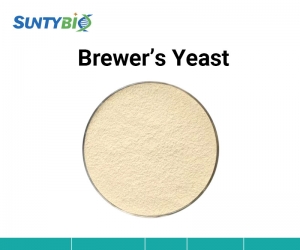
Brewer’s yeast is a natural by‑product of beer brewing – the yeast is deactivated, dried, and ground into a fine powder. It’s rich in protein, B vitamins, minerals, and dietary fibre. When used properly, it can bring real benefits to racing pigeons in several key areas.
Every experienced fancier knows that what a pigeon eats matters less than what it actually absorbs. Brewer’s yeast is well known for supporting gut health. It contains prebiotic components that help maintain a balanced intestinal flora and keep harmful bacteria in check. Many fanciers report fewer cases of diarrhoea or watery droppings after adding it to the feed regularly.
The B vitamins in brewer’s yeast also promote digestive secretions, improving feed conversion. In plain terms, the pigeon gets more nutrition from the same amount of grain. And the yeast has a pleasant, savoury smell that stimulates appetite – particularly useful during moulting or after a hard race when a pigeon may be off its feed.
Racing is ultimately about physical condition. The high‑quality protein and B vitamins in brewer’s yeast are key players in energy metabolism. After intense training or a race, muscles need repair and glycogen stores need replenishing. B vitamins act as catalysts in this process. With regular, sensible use, you’ll often see improvements in stamina and recovery speed.
Experienced fanciers also notice that brewer’s yeast helps keep weight under control. B vitamins are involved in breaking down fats and carbohydrates, so the energy from feed is used efficiently rather than stored as excess fat. For a racing pigeon, a light, muscular body means better aerodynamics and endurance.
Many fanciers deliberately add brewer’s yeast before pairing and during the rearing period. When parent birds are well nourished, egg quality improves and the resulting youngsters are more robust. During lactation, the yeast’s nutrients are passed on through the crop milk, reducing the risk of watery droppings or slow growth in squabs.
If one chick in a nest is noticeably smaller than its mate, you can mix brewer’s yeast into a thin paste and hand‑feed the weaker one. After just a few days, the difference often starts to close.
Feathers are a racing pigeon’s most important flight tool. If nutrition falls short during the moult, new feathers can become brittle, dull, and less resilient. Brewer’s yeast provides sulphur‑containing amino acids and B vitamins that are essential for feather growth, resulting in glossier, more supple plumage. Many fanciers say that after using brewer’s yeast regularly, the feel of the feathers changes noticeably – smoother, tighter, and silkier.
The most common method is mixing it into the feed. Lightly moisten the grain with clean water or a little garlic oil, then sprinkle on the brewer’s yeast and stir well. A typical ratio is 5–20 grams of yeast per kilogram of feed. For routine maintenance, once or twice a week is enough. During pairing, moulting, or the racing season, you can increase to two or three times a week.
A few important points:
Use fresh – Mix only as much as the pigeons will eat immediately. Damp, yeast‑coated grain can spoil if left standing.
Avoid heat – Never use hot water to moisten the feed, and don’t leave the mixture in direct sunlight. High temperatures damage the yeast’s active components.
Keep the feeder clean – Leftover mash should be removed regularly to prevent mould.
Don’t overdo it – Brewer’s yeast is a supplement, not a staple. Two or three times a week is plenty.
Brewer’s yeast is not a miracle cure, and you won’t see dramatic changes after one or two feeds. But as a long‑term aid for everyday conditioning, it can make a real difference to digestion, stamina, feather quality, and the health of the next generation. There are no shortcuts in pigeon racing – it’s the small, consistent details that separate the winners from the rest.
Focus on feed additives global
supply for 13 years
Hebei Shuntian biotechnology Co.,Ltd.
Add:Machang Town,Qing County ,Cangzhou City ,Hebei,China
Tel: +86-317-2135910
E-mail:Erica@stbiol.com
© Copyright - 2018-2020 : All Rights Reserved.